December 31, 2025
Do You Need Snow Guards on Your Roof in Pennsylvania?
Author
Snow on a roof can look harmless until it releases all at once. On a smooth roof, a layer of snow or ice can move toward the eave and land on an entryway, driveway, deck, gutter, vehicle, heat pump, or landscaping below.
Snow guards and snow-retention systems are designed to manage that movement. They are not automatically necessary on every roof, and choosing the right system takes more than attaching a few pieces of metal near the gutter. The roof material, pitch, length, attachment method, local snow conditions, and areas below the eaves all matter.
For homeowners in south-central Pennsylvania, the practical question is not simply whether snow will land on the roof. It is how that snow is likely to move and what could be in its path when temperatures begin to change.
What Are Snow Guards?
Snow guards are devices installed on a roof to help hold snow in place or slow its movement. In Joyland's video about snow guards, John Esh demonstrates several common styles and explains that their main purpose is to keep snow from sliding off in a large sheet that could hurt someone or damage something below.
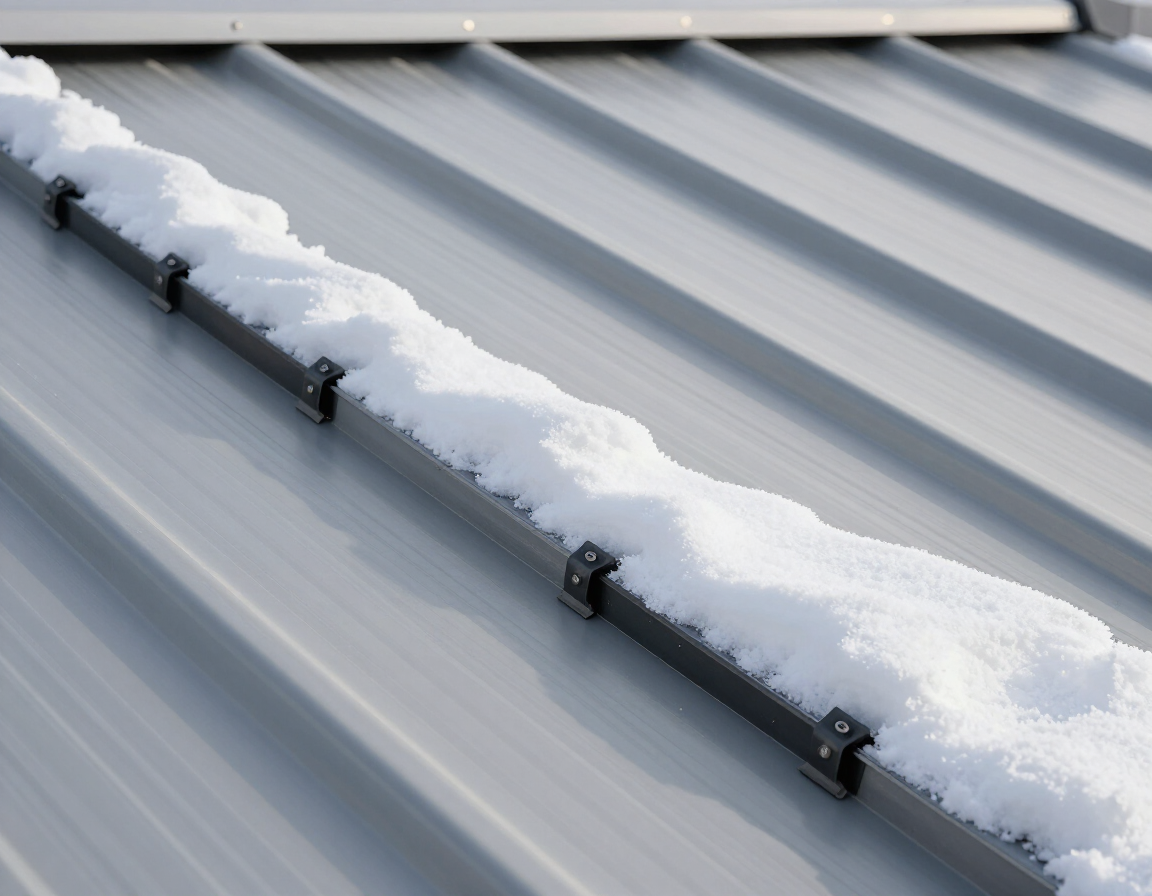
Depending on the roof and the system, snow retention may use individual guards arranged across part of the roof, continuous rails that span the roof, or attachments designed for a particular metal-roof profile. The goal is controlled snow management, not a promise that no snow or ice will ever leave the roof.
The Metal Construction Association explains that slippery pitched roofs can create hazards below the eaves and that properly qualified snow-retention systems can reduce the risk of a sudden rooftop avalanche. It also emphasizes that the system must transfer the force of retained snow through the attachments and into the building structure.
What Snow Guards Can Help Protect
A properly selected snow-retention system can reduce the risk of a large, sudden release of snow or ice above areas such as:
- Front doors, side entrances, and garage doors
- Walkways, patios, decks, and driveways
- Vehicles and outdoor equipment
- Gutters, downspouts, and lower roof sections
- Heat pumps, propane equipment, and utility areas
- Landscaping and other property near the drip line
Snow guards may be particularly important when a roof slope ends directly above a frequently used area. They can also help reduce the impact of sliding snow on a seamless gutter system, although they do not correct loose, damaged, clogged, or improperly installed gutters.
Which Roofs Are Most Likely to Need Snow Guards?
Metal Roofs
Snow retention is most commonly discussed with standing-seam and corrugated metal roofing. Metal has a smoother surface than granulated asphalt shingles, so accumulated snow can release and move down the slope in a larger sheet.
That does not mean every metal roof requires the same product or layout. A short porch roof over an unused area presents a different situation from a long roof slope above a front entrance or driveway. The metal profile also determines which attachment methods are compatible.
Slate and Cedar Roofs
In the Joyland video, John also demonstrates a long-stem guard that can be installed beneath a course of slate or cedar roofing. Slate is relatively smooth, and cedar can vary depending on the roof pitch, surface condition, and roof design.
These materials require specialized handling. Slate can break when walked on or fastened incorrectly, while cedar and older roof assemblies may need a product designed for the way the roof is layered. A general-purpose metal-roof guard should not be improvised for these systems.
Asphalt Shingle Roofs
Asphalt shingles have a granulated surface that provides more friction than smooth metal or slate. That is why snow guards are less common on shingle roofs. However, roof shape, steepness, known snow movement, and what is located below the eaves can still justify a professional evaluation.
Common Types of Snow-Retention Systems
Individual Snow Guards or Cleats
Individual guards are small devices installed in a planned pattern across the roof. They may be called snow guards, cleats, blocks, or snow birds. Their low-profile appearance makes them a common option, but the pattern and number should follow the product's tested capacity and layout instructions.
John demonstrates an exposed-fastener metal-roof guard with a gasketed base. In that example, the metal must be clean, the guard is mechanically fastened, and compatible sealant is used as part of the installation. Those details apply to the product shown in the video. Other systems may have different requirements, so installers must follow the specific manufacturer's instructions.
Continuous Rail Systems
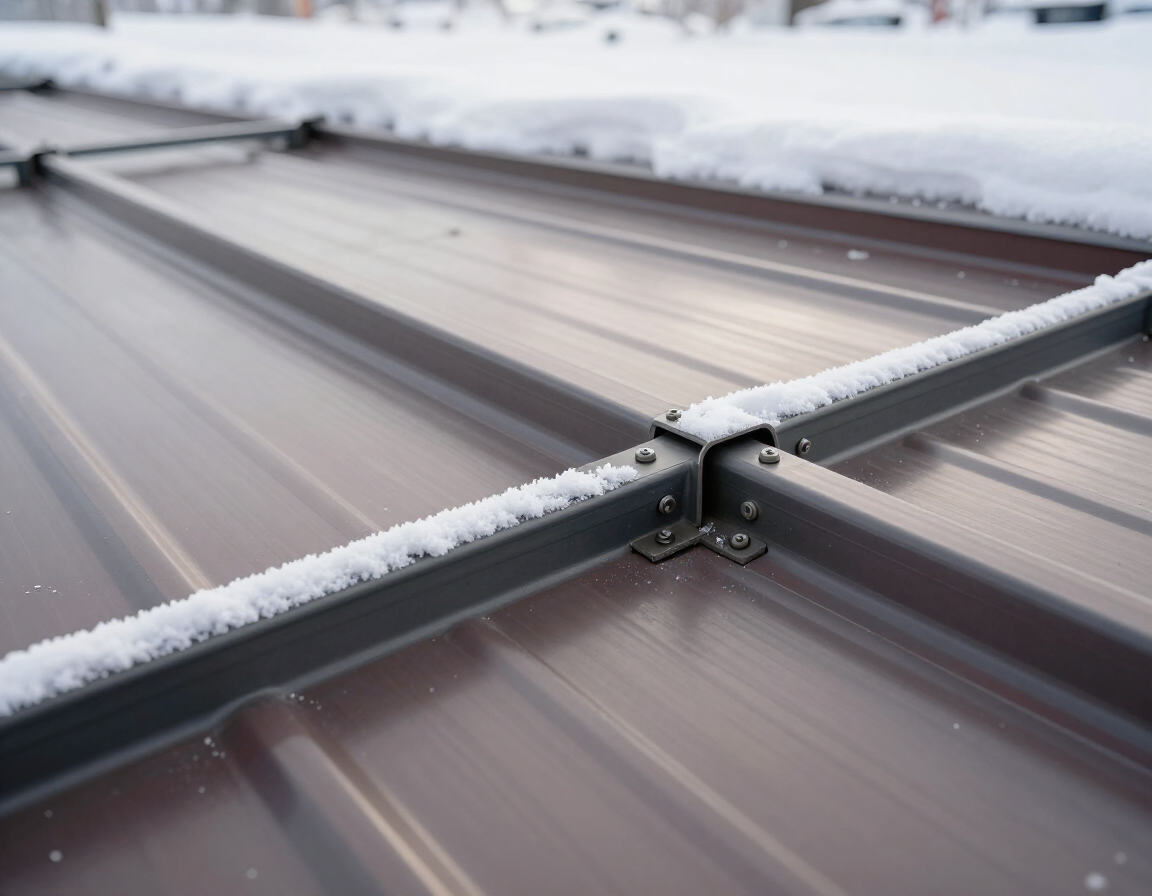
A rail system uses a continuous bar or fence-like assembly across the roof. These systems are often considered where snow movement above a doorway, walkway, or other high-consequence area needs to be controlled across a wider section of roof.
A rail is not automatically better for every building. Its capacity, attachment spacing, number of rows, and compatibility with the roof panel still need to be evaluated for the specific project.
Clamp-On Systems for Standing-Seam Metal
Standing-seam systems can use clamps that grip an approved seam profile without drilling through the flat portion of the roof panel. John demonstrates this style by showing how set screws pinch the seam and hold the attachment in place.
The seam shape, panel manufacturer, metal thickness, clamp model, and required holding strength must all be compatible. A clamp that fits visually is not necessarily approved or strong enough for the expected load.
Long-Stem Guards for Slate, Cedar, or Shingles
Long-stem guards are installed beneath the roofing course so the retaining portion extends onto the roof surface. John shows both a standard long-stem design and a pressed-metal version used for more traditional or historic applications. Installation should be handled by someone familiar with the roofing material so the surrounding slate, cedar, or shingles are not damaged.
How Is Snow-Guard Placement Determined?
Snow guards should not be placed by copying a neighbor's roof or choosing a pattern that simply looks balanced. Important design factors include:
- Roofing material and exact panel or seam profile
- Roof pitch and the distance from the eave to the ridge
- Local design snow load and expected winter conditions
- Seam spacing, attachment strength, and supporting roof structure
- The tested capacity of the selected guard, clamp, bracket, or rail
- Doorways, walkways, parking areas, and other locations below the eaves
Manufacturer tools help illustrate why a site-specific layout matters. For example, the S-5! snow-retention calculator uses the roof profile, slope, roof length, and design snow load when determining compatible components and row requirements. The correct result may be one row in one situation and multiple rows in another.
Why Pennsylvania Weather Matters
Winter weather in south-central Pennsylvania can include snow, sleet, ice, rain, and temperature changes within the same storm cycle. A roof may hold snow during the storm and release it later when sun or warmer air changes the conditions at the roof surface.
The National Weather Service's Winter Storm Severity Index includes a snow-load component that evaluates the potential effect of snow weight on infrastructure. This is separate from sliding-snow risk, but it is a useful reminder that the amount and character of snow can matter as much as the number of inches in the forecast.
Snow guards should be planned around the actual roof and the consequences below it, not around a single snowfall total or a universal Pennsylvania rule.
What Snow Guards Do Not Fix
They Do Not Increase the Roof's Structural Capacity
A snow-retention system transfers force into its attachments and the roof structure. It does not strengthen undersized framing, repair a damaged roof deck, or make a building immune to heavy snow. Signs such as new sagging, unusual cracking or popping sounds, or doors that suddenly bind during a major snow event warrant immediate professional attention.
They Do Not Solve Ice Dams
Snow slides and ice dams are different problems. Snow guards manage snow movement on the roof surface. Ice dams usually involve melting and refreezing near the eaves, often in connection with heat loss, insulation, ventilation, drainage, or roof details. Installing snow guards does not address those underlying causes.
They Do Not Replace Roof and Gutter Maintenance
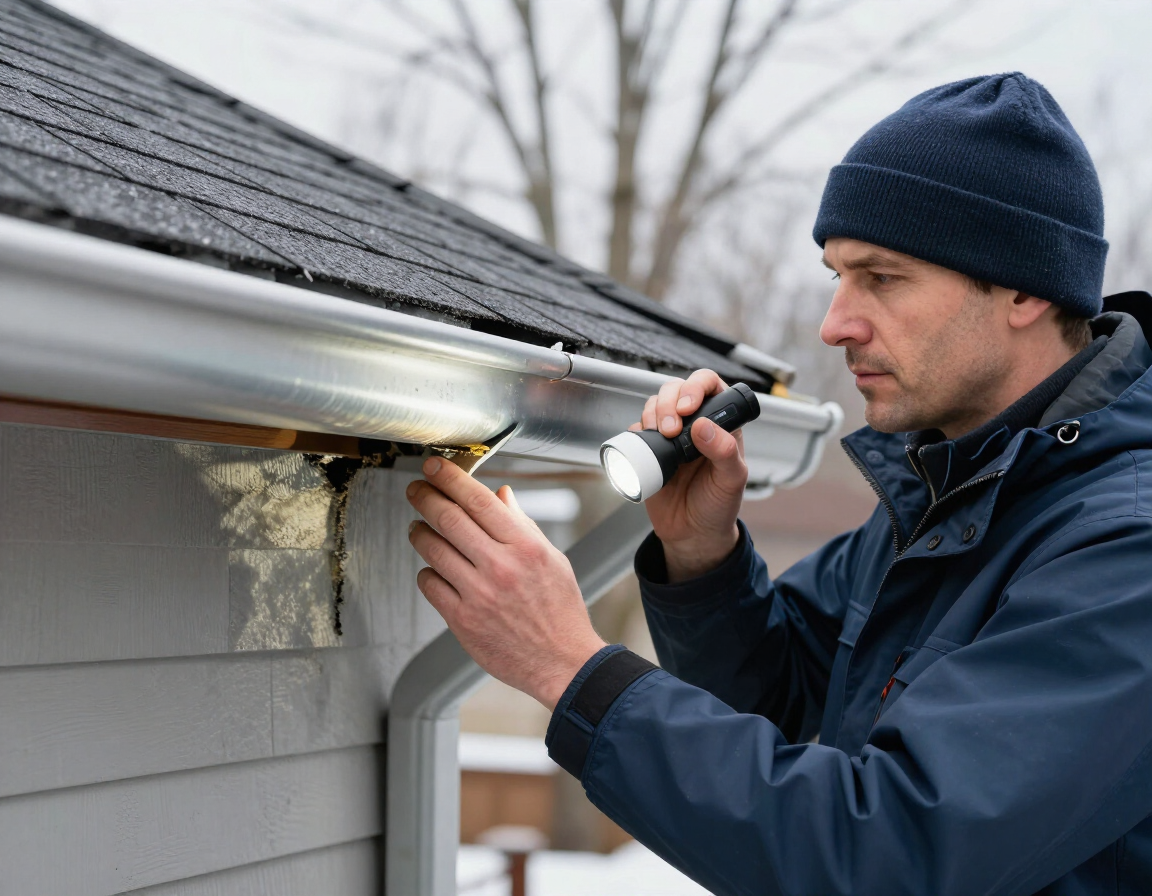
Snow guards cannot repair loose gutters, failed fasteners, leaking penetrations, or damaged roofing. If a winter event exposes an existing problem, a professional roof repair inspection should identify the underlying cause before another component is added to the roof.
Should You Consider Snow Guards?
A snow-retention assessment is worth considering when one or more of the following apply:
- A smooth metal or slate roof ends above a used area.
- An entrance, garage door, walkway, driveway, deck, or parking area sits below the eave.
- Snow has released in a large sheet or struck gutters or other property below.
- You are planning a new metal roof and want the retention system coordinated before installation.
- A larger or steeper roof needs a calculated product layout.
The absence of these conditions does not automatically mean snow guards are unnecessary, and checking several boxes does not determine a product by itself. The purpose of an inspection is to identify the actual roof system, exposure, and consequences before making a recommendation.
Frequently Asked Questions About Snow Guards
Do All Metal Roofs Need Snow Guards?
No single rule applies to every metal roof. Smooth metal is more likely than granulated shingles to release snow in a sheet, but the need for retention depends on the roof pitch, length, panel profile, snow conditions, and what is located below the eaves.Do Snow Guards Stop All Snow From Falling?
No. Snow-retention systems are intended to manage movement and reduce the risk of a sudden, large release. Small amounts of snow, ice, or meltwater may still move around or beneath components depending on the system and conditions.Are Snow Guards Only Used on Metal Roofs?
No. John demonstrates snow guards made for metal, slate, cedar, and some shingle applications. They are most commonly discussed on smooth roofing materials because those surfaces are more likely to shed snow in larger sections.Can Snow Guards Be Added to an Existing Roof?
Often, yes. Retrofitting depends on the roof's condition, material, panel profile, available attachment method, and access. A compatible system should be selected before any holes are drilled or clamps are tightened.Can Snow Guards Damage a Roof?
An incompatible or poorly installed system can damage panels, seams, fasteners, or roofing materials. The risk is reduced by using tested components, confirming compatibility, following manufacturer instructions, and transferring loads to appropriate attachment points.Is One Row of Snow Guards Enough?
Sometimes, but not always. Roof length, slope, design snow load, product capacity, and roof layout determine whether one row or multiple rows are required. A single row chosen without calculations should not be treated as a universal solution.How Much Do Snow Guards Cost?
Pricing varies with the roof material, roof length, number of rows, product type, attachment method, access, and whether the work is completed with a new roof or as a retrofit. A site-specific proposal is more reliable than a generic cost per square foot.Do Snow Guards Prevent Ice Dams?
No. Snow guards address sliding snow. Ice-dam problems require a separate evaluation of heat loss, insulation, ventilation, drainage, and roof details.
Get a Roof-Specific Recommendation
The right snow-retention system should match your roof instead of forcing your roof to match a generic product. Material, pitch, roof length, attachment points, and the areas below the eaves all need to be considered together.
If you are planning a metal roof, have experienced sliding snow, or want to protect an entrance, gutter system, driveway, or other area below your roof, contact Joyland Roofing for an inspection and a roof-specific recommendation.