Cold-weather roofing is a common concern for homeowners across Pennsylvania, especially when temperatures dip below freezing. Questions about shingle adhesion, leak risk, and snow load tend to surface during winter months. The reality is that asphalt shingles can be installed safely in cold weather when proper installation methods are followed.
Understanding how shingles behave in lower temperatures helps homeowners make confident decisions about roof replacement during winter.
How do asphalt shingles seal in cold weather?
Asphalt shingles have a factory-applied sealant strip that bonds each shingle to the one below it. Heat from the sun normally activates this adhesive after installation, helping the roof resist wind uplift.
During cold or cloudy weather, that natural sealing process can take longer. There is no single air temperature at which every shingle will or will not seal. The product, roof direction, sunlight, surface temperature, and manufacturer’s instructions all matter.
When the manufacturer requires it, the installer may need to hand-seal the shingles with an approved asphalt roofing cement. The cement must be applied in the correct amount and location. This is not a “more goo must be better” situation.
The
Asphalt Roofing Manufacturers Association
recommends manufacturer-approved hand-sealing when necessary to provide additional protection from wind before shingles can seal naturally.
What changes when shingles are installed in cold weather?
Cold-weather roofing requires extra attention in several areas. It is not as simple as using the same process while wearing a heavier coat.
Material handling. Asphalt shingles become stiffer as temperatures fall and may crack if they are bent, dropped, or handled roughly. Bundles may need to be stored in a warmer location and brought onto the roof in smaller quantities.
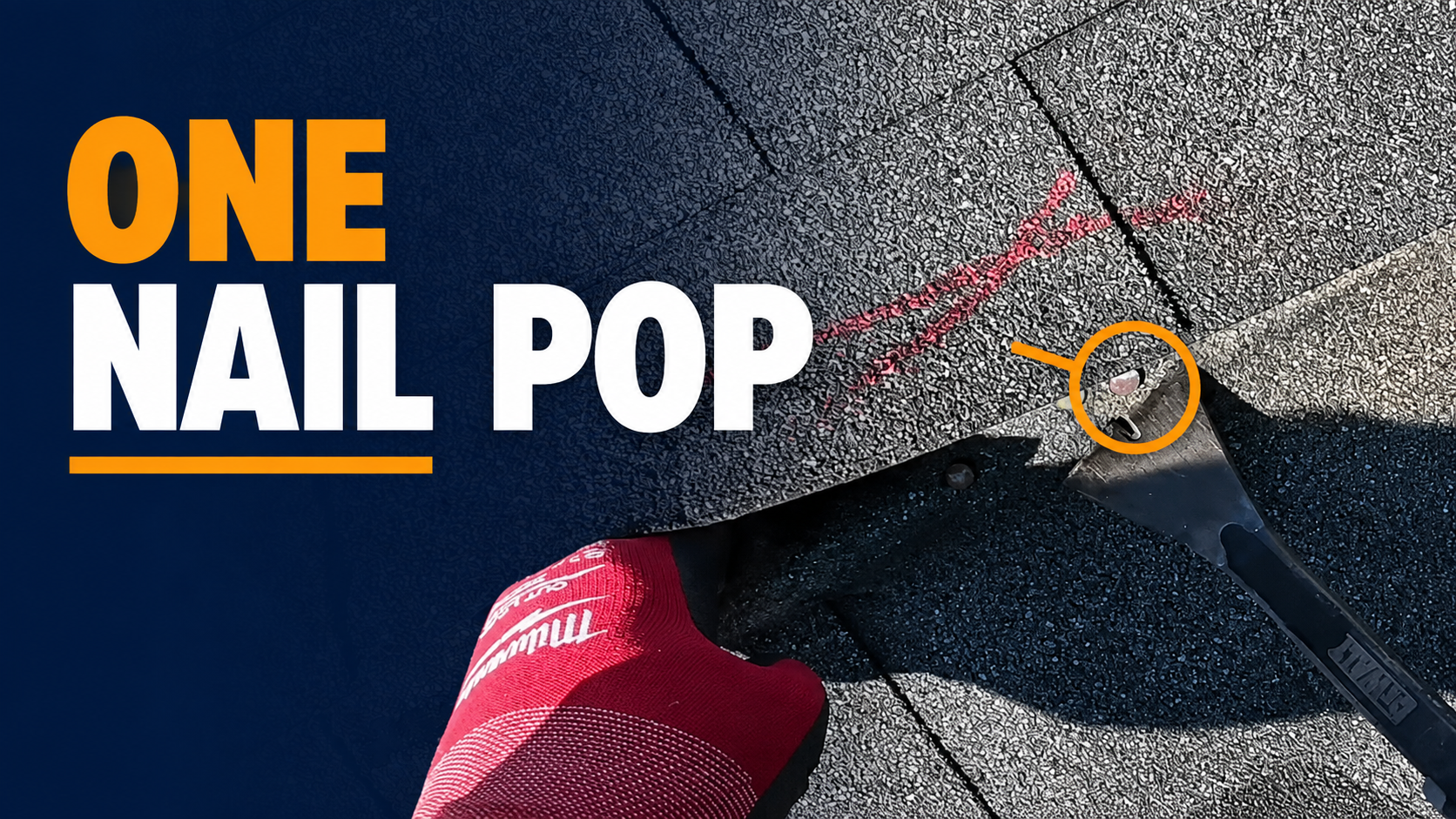
Fastener placement. Cold weather can affect air-compressor pressure and roofing equipment. Installers need to check their tools regularly so nails are driven flush rather than left raised or pushed through the shingle.
Roof conditions. The roof deck must be clean and dry. Snow, frost, and ice need to be gone before installation begins. If the surface is unsafe or moisture cannot be controlled, the project should wait for better conditions.
For GAF shingles, the manufacturer recommends additional precautions below 40 degrees, including careful storage, handling, fastening, and hand-sealing. Instructions vary by product, so the requirements for the shingles being installed should always control the process.
Does winter roof replacement increase the risk of leaks?
Not automatically. A winter roof replacement can remain watertight when the crew manages the weather correctly and installs each layer of the roof system according to the manufacturer’s instructions.
During replacement, contractors typically remove only as much roofing as they can protect that day. Before leaving, exposed roof decking should be covered with the required leak barrier, underlayment, shingles, or temporary protection. Roofers often call this getting the roof “dried in.”
The crew should also monitor the forecast and stop when snow, rain, frost, ice, or high winds make installation unsafe or prevent materials from being applied correctly.
Winter weather may extend the project or push start times later, but a responsible contractor will delay work rather than rush through unsafe or unsuitable conditions. A weather delay is annoying. Water coming through the ceiling is considerably more annoying.
When is it too cold to install asphalt shingles?
There is no universal temperature cutoff for every asphalt shingle. The answer depends on the product, the manufacturer’s instructions, roof conditions, wind, sunlight, and whether the crew can work safely.
For example, GAF recommends installing its shingles at 40 degrees or warmer. Installation below 40 degrees may still be allowed when the contractor follows the manufacturer’s required cold-weather procedures.
Temperature is only part of the decision. Roofing work should be delayed when:
- Snow, frost, or ice is present on the roof
- The roof deck is wet
- Wind makes material handling or fall protection unsafe
- Precipitation is expected before the roof can be dried in
- Shingles cannot be handled without cracking
- The manufacturer’s installation requirements cannot be met
A winter project may start later in the morning, pause between sections, or move to another day. That flexibility is part of installing the roof correctly, not evidence that something has gone wrong.
When to Contact a Roofing Professional in Winter
Roof issues do not pause during colder months. Storm damage, leaks, and aging materials can still require attention in winter.
Roof inspections and repairs during winter should be handled by trained professionals equipped with proper safety gear and cold-weather experience. Navigating icy surfaces and understanding seasonal installation requirements are critical for protecting both the structure and the roofing system.
Winter Roofing Done the Right Way
Cold weather does not prevent successful roof replacement or repair. Asphalt shingles seal when exposed to sunlight, roofs remain watertight throughout installation, and properly designed structures handle snow loads effectively.
The success of a winter roofing project depends on correct installation practices, experienced crews, and attention to detail. When those standards are met, roofing work can be completed safely and effectively during any season.
Need a roof inspection during winter?
Cold weather does not stop roof problems from getting worse. A professional inspection can identify issues early and help prevent costly damage. Schedule a local roof inspection to make sure the roofing system is secure, watertight, and ready for the seasons ahead by clicking the button below.