December 31, 2025
Metal Roofing Secrets: Why Your Neighbor’s Roof Might Fail (And Yours Won’t)
Author
Let’s be honest: most roofing brochures are glossy, full of buzzwords, and don't tell you much about what you're actually buying. We wanted to write something different—a roadmap that reveals the metal roofing secrets that take you behind the scenes. We’re going to look at the chemistry that keeps rust away, the mechanical locks that keep water out, and the hard financial truth about writing that big check.
Below, we’ll bust a few myths, decode the warranty fine print, and help you figure out if metal is actually the right move for your home.
Table of Contents
- It Starts With The Metal Itself
- Steel vs. Galvalume (The Rust Battle)
- Going Premium With Non-Ferrous Options
- Paint Chemistry and Heat
- How It Attaches Matters More Than You Think
- The Standing Seam Advantage
- Exposed Fasteners (And Why They Leak)
- The Dollars and Sense of Metal
- The Real Cost Breakdown
- Busting the Big Myths
- Pre-Installation Must-Haves
- Living With (And Under) Metal
- To Tear Off or Overlay?
- Accessories and The Fine Print
- Aesthetics and The Environment
- Customizing the Look
- The Green Factor
- Buying the Roof
- Final Thoughts
TL;DR
In a rush? Here is the cheat sheet. If you don't have time to read the deep dive right now, these are the absolute essentials you need to know before you sign any paperwork. It boils down to materials, paint, and avoiding cheap shortcuts.
- Material matters: Not all "steel" is created equal. You need G90 Galvanized or AZ50 Galvalume, or you're going to see rust.
- Paint is protection: Stick with PVDF (Kynar 500) paint. The cheaper SMP paints tend to fade and look chalky way too soon.
- Watch the screws: "Standing seam" roofs hide the screws, which stops leaks. "Exposed fastener" roofs have screws that poke through the metal—expect maintenance on those every 10-15 years.
- Don't skip the prep: Metal shows everything. If your roof deck is uneven, your metal roof will look wavy.
- The sticker shock is real: You’re going to pay 2-3 times more upfront than you would for asphalt shingles. The payoff is that it lasts 60 years instead of 20.
- Read the warranty: Watch out for "coastal exclusions" if you live near the ocean, and avoid prorated warranties that lose value every year.
It Starts With The Metal Itself
There is a lot of marketing fluff out there that tries to distract you from the science, but the chemistry actually matters. Whether your roof lasts five years or fifty depends entirely on the alloy, the thickness (gauge), and the coatings. Homeowners are finally starting to catch on to this. The Global metal roofing market size was valued at USD 22.55 billion in 2024, and it's growing because people are tired of replacing their roofs every other decade.
Before we get into the alloys, it helps to start with the basics of thinking about installing a metal roof and the 4 factors to consider for your specific house. Once you know what you need, you can pick the metal that fits.
Steel and Galvalume Variations
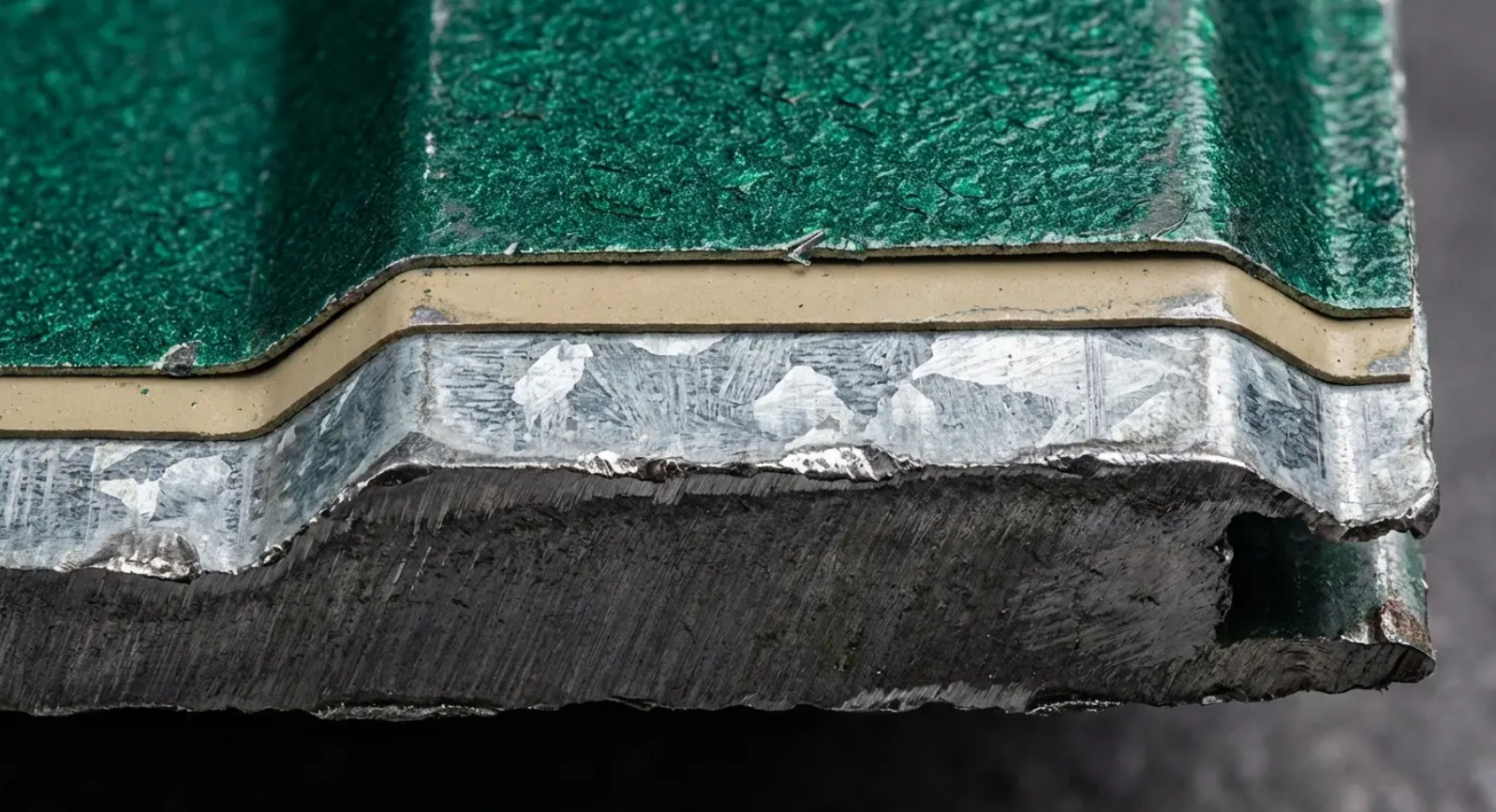
For most residential homes, steel is the sweet spot between strength and cost. But here is the catch: raw steel rusts the second it gets wet. So, we aren't really talking about the steel itself; we are talking about the protective layer on top of the steel. The quality of the metal roofing sheets depends entirely on this alloy coating. Without that layer, the roof is toast.
Galvanized vs. Galvalume Substrates
You need to know what is coating your steel.
Galvanized steel uses zinc. If you go this route, demand "G90." That’s the standard for residential use because it’s thick enough to "heal" itself if the metal gets scratched or cut.
Galvalume is a mix of aluminum and zinc. It’s better at fighting surface rust, but it can be a little sensitive at the bends. Always ask your installer for the specific G-rating or AZ-rating.
| Feature | Galvanized Steel (G90) | Galvalume (AZ50) |
|---|---|---|
| Coating Composition | 100% Zinc | 55% Aluminum, 43.4% Zinc, 1.6% Silicon |
| Superpower | Self-healing at cut edges and scratches | Incredible surface corrosion resistance |
| Kryptonite | Rusts faster in standing water than Galvalume | Micro-cracking at tight bends (tension bend staining) |
| Best For | Complex roof lines, animal barns | Simple gable roofs, commercial warehouses |
| Typical Warranty | 20-30 years | 25-40 years |
Gauge Thickness (The Durability Factor)
Metal thickness is measured in "gauge," and it works backward: a lower number means thicker steel. Standard metal roofing sheets at 29-gauge are fine for a pole barn, but for your house? You want 24-gauge or 26-gauge. It’s thicker, it resists hail better, and it won't warp or look wavy as easily.
Going Premium With Non-Ferrous Options
Sometimes, iron-based steel just isn't the right pick. If you have the budget or a specific environmental challenge, you might look at "non-ferrous" metals. These don't rust in the traditional sense.
Aluminum for the Coast
If you live within a mile of saltwater, forget steel. It won't last. Aluminum oxidizes instead of rusting, which creates a hard shell that protects the metal. It’s softer than steel, so we usually use a thicker profile to make sure it can handle the wind.
Copper and Zinc Patinas
These are the "living" roofs. Copper turns green; zinc turns gray-blue. They develop a patina that heals scratches naturally. These roofs can easily last 80 to 100 years without ever needing a drop of paint.
The Danger of Dissimilar Metals
Here is a rule you can't break: Galvanic reaction kills roofs. You cannot let copper touch steel or aluminum. Even water dripping from a copper pipe onto a steel roof will eat a hole right through it. They have to be totally isolated.
Paint Chemistry and Heat
Unless you’re buying copper, the paint is the aesthetic. But it's also the shield. The chemistry of the paint is just as important as the metal underneath.
SMP vs. PVDF (Kynar 500)
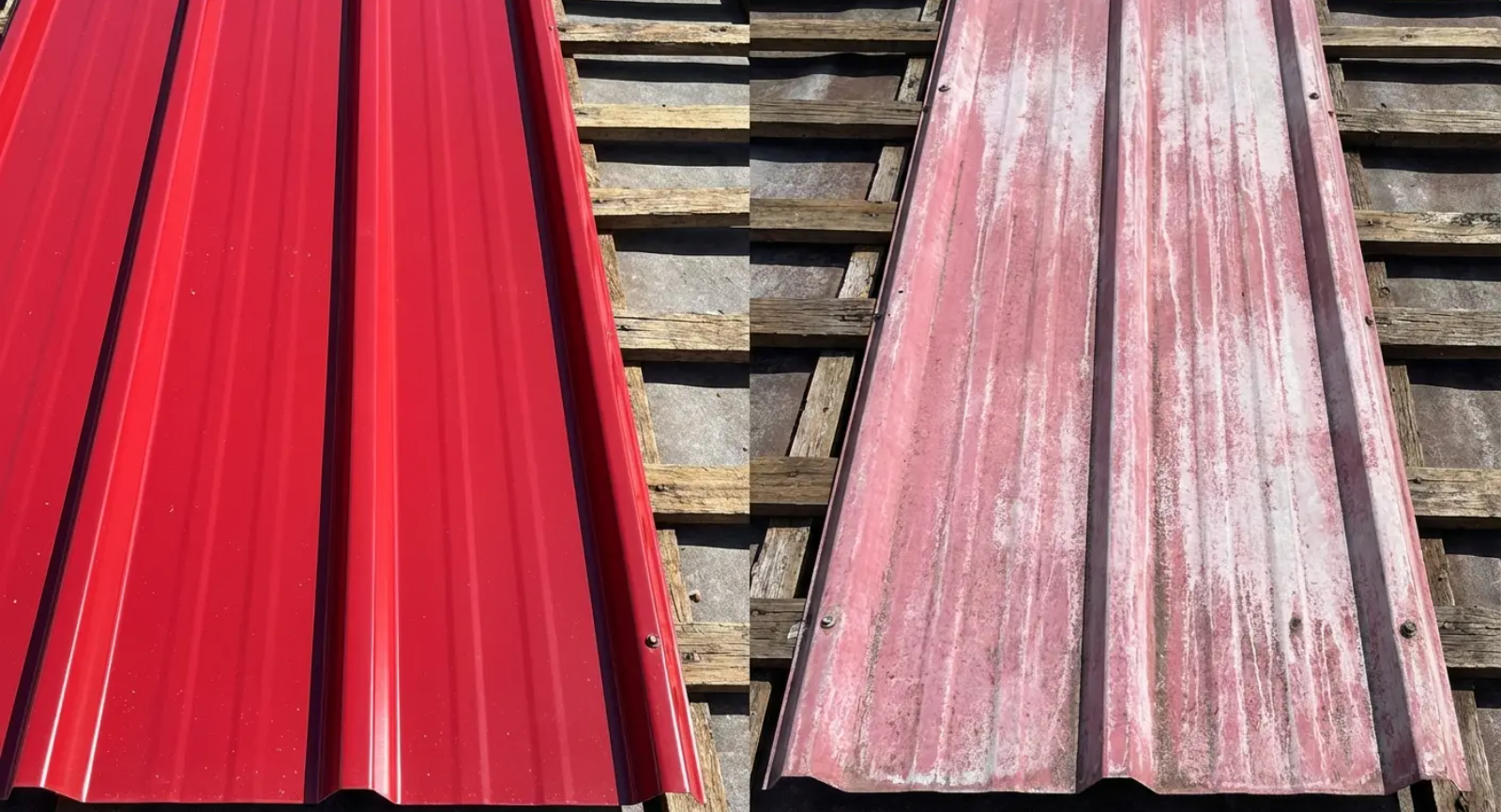
You’ll usually see two options. SMP (Silicone Modified Polyester) is hard and resists scratching, but it tends to chalk and fade over time. PVDF (often called Kynar 500) is a bit softer, but the chemical bond is stronger. It holds its color vibrancy much, much longer.
Cool Roof Technology
Modern paint is pretty amazing. Even dark metal roofing colors can now reflect infrared heat. This "cool roof" tech can drop your cooling costs by 10-25% by bouncing the sun's heat away from your attic. In a hot climate, that adds up fast.
How It Attaches Matters More Than You Think
The metal looks nice, but the mechanical design is what keeps your living room dry. The biggest difference between metal roofs is how they attach to the deck. It really comes down to one thing: can you see the metal roofing screws?
We see a lot of people focus on the rib height or the color, but the real story is happening where the metal meets the wood. The system succeeds or fails based on how it handles thermal movement (expansion and contraction).
The Standing Seam Advantage
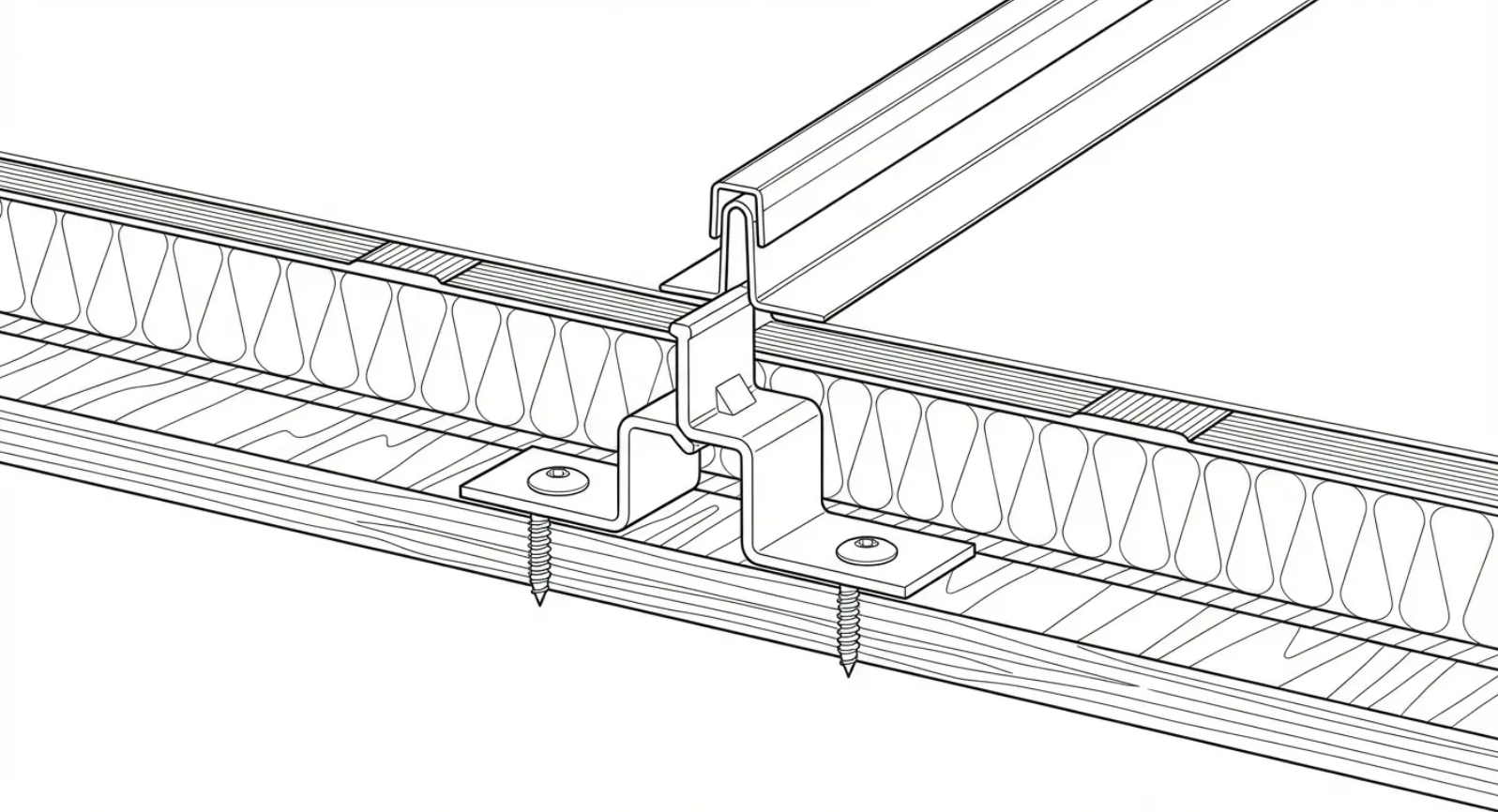
For a residential home, "Standing Seam" is the gold standard. It conceals the fasteners underneath the panels. This eliminates the exposed washer, which is the #1 cause of leaks on metal roofs. The industry is always getting better at this, too. For example,"S-5!, a global specialist in engineered fastening solutions... has introduced the S-5-TH™, a new clamp specifically developed to secure a wide range of accessories" so you can attach solar panels or snow guards without punching holes in your brand new roof.
If you want to dig into the details, you can read more about the pros and cons of standing seam vs corrugated metal roofing. It impacts the look, but mostly it impacts your maintenance schedule.
Snap-Lock vs. Mechanical Lock
Snap-lock panels just clip together, which is fast and great for steep roofs. Mechanical lock panels need a machine to crimp the seams shut. We usually use the mechanical lock for low-slope roofs or high-wind areas just to be extra safe.
Handling Thermal Movement
Metal moves. It expands in the summer and shrinks in the winter. Standing seam systems use "floating clips" that hold the panel down but let it slide back and forth. This stops the screws from wiggling loose over time.
Dealing with Oil Canning
Ever see a metal roof that looks wavy or bubbly? That’s called "oil canning." It’s not a defect, but it looks bad. We minimize this by using "striations" (little ridges) in the panel, using thicker metal, or picking a matte finish that doesn't reflect as much light.
Exposed Fasteners and Stamped Looks
These systems are cheaper, but they come with a "maintenance debt." We’re talking about screwing panels directly into the wood through the face of the metal. It’s popular for barns, but for a heated and cooled home, it can be tricky.
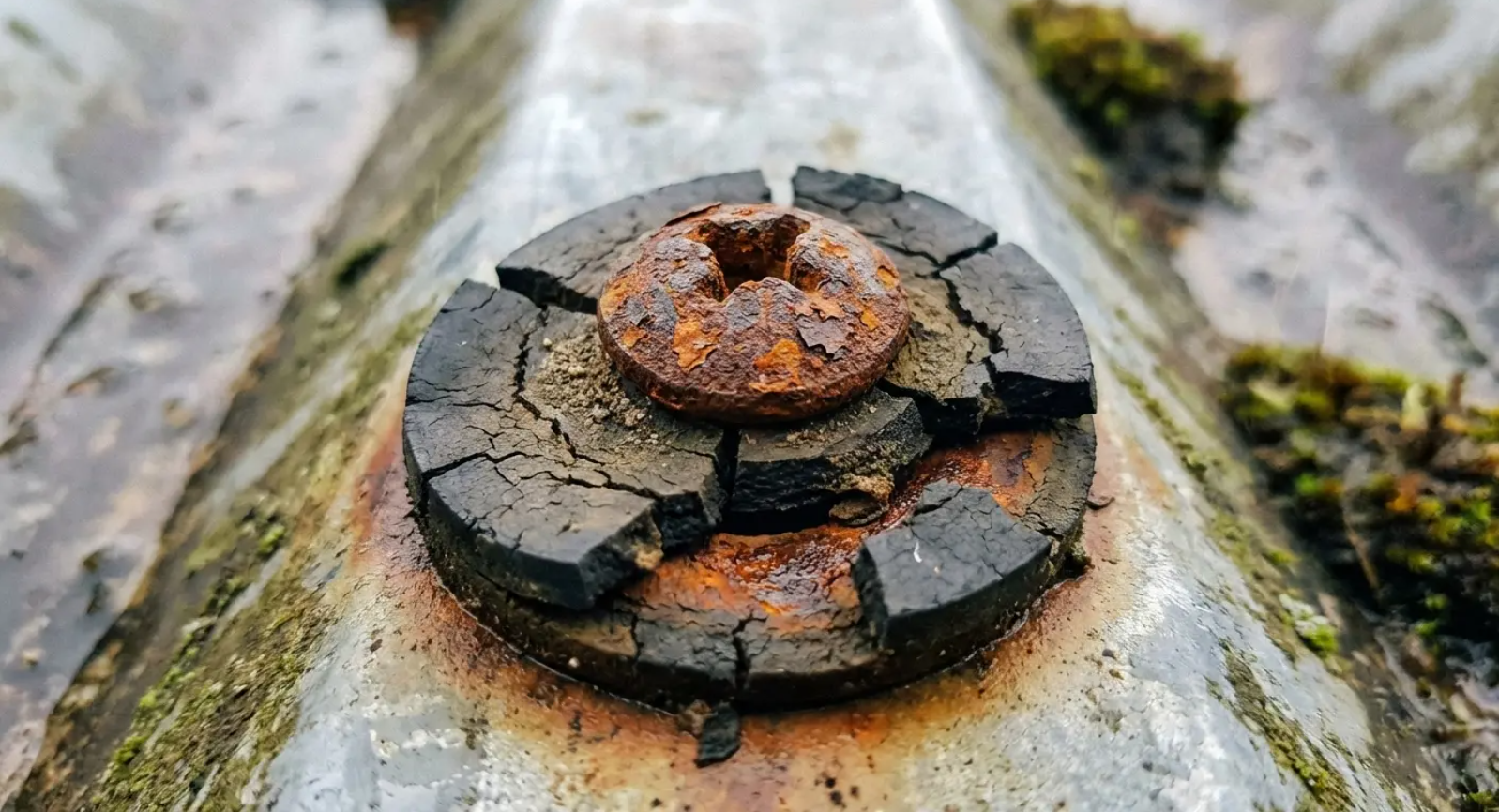
The Washer Problem
Exposed fastener systems rely on metal roofing screws with a little rubber washer to seal the hole. The problem? Rubber dries out. The sun bakes it, and after 10 or 15 years, it cracks. Once that happens, you have thousands of tiny leaks waiting to happen. You'll eventually need to pay to re-screw the whole roof. One of the most common metal roofing problems is simply this washer failure leading to water intrusion.
The "Back-Out" Scenario: Imagine a house in Chicago. The temperature swings are wild. Over five years, that freeze-thaw cycle makes the metal expand and contract thousands of times. On an exposed fastener roof, that movement wiggles the metal roofing screws. By year seven, a screw right above your master bedroom has backed out just enough to break the seal. You don't know it until a thunderstorm ruins your drywall ceiling. All because of a loose washer.
Stone-Coated and Stamped Alternatives
Some HOAs hate the "barn look" of vertical panels. If that's you, look at stamped metal shingles. They look like slate, tile, or wood shake, and some are stone-coated to cut down the sheen. It’s a great way to sneak a metal roof into a traditional neighborhood.
The Dollars and Sense of Metal
Let's address the elephant in the room: the price. Metal is expensive. But we need to look at "sticker price" vs. "cost of ownership." Many homeowners ask, "Is metal roofing right for me?" when trying to balance the checkbook against their long-term goals. The total metal roofing cost will surprise you initially, but the math changes over time.
The quote will be higher than asphalt. But when you break it down by year, the perspective shifts. Metal is an investment in permanence, not just a recurring expense.
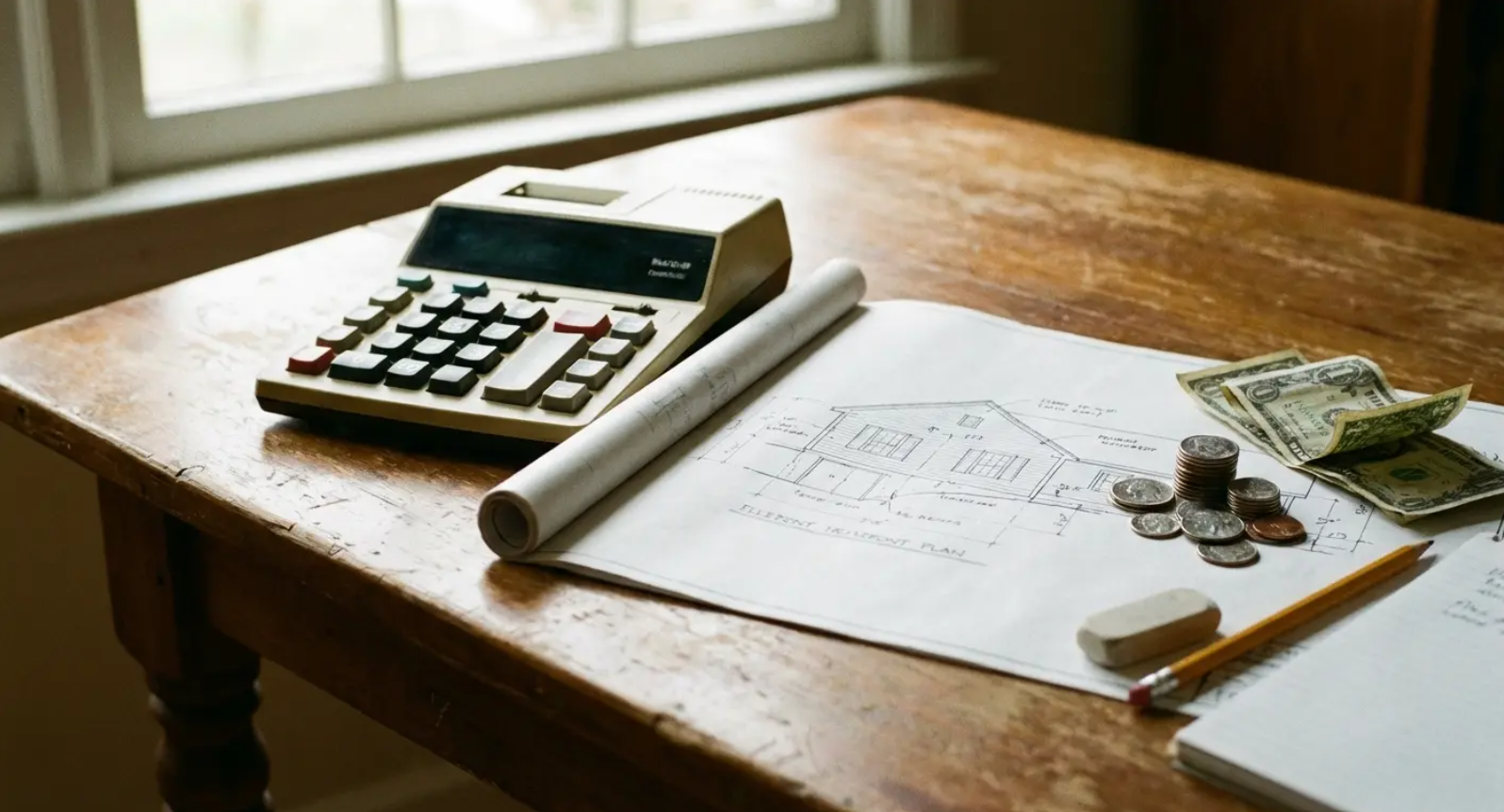
The Real Cost Breakdown
You'll pay more upfront, but you have to factor in longevity and energy savings. When weighing the metal roofing cost against other materials, remember energy efficiency is a big deal;"According to State Farm Insurance, metal roofs can provide a 10-25 percent reduction in cooling costs due to their ability to reflect the sun."
Lifecycle Economics
An asphalt roof is a 15 to 20-year solution. A good metal roof is a 50+ year solution. Over 60 years, buying one metal roof is actually cheaper than buying three asphalt ones.
| Cost Factor | Asphalt Shingle Roof | Standing Seam Metal Roof |
|---|---|---|
| Initial Cost (2,500 sq ft) | ~$12,000 - $15,000 | ~$30,000 - $45,000 |
| Lifespan | 15 - 20 Years | 50+ Years |
| Replacements in 60 Years | 3 Replacements | 0 - 1 Replacement |
| Energy Savings | Minimal | High (Cool Roof Tech) |
| Resale Value | Standard | High Premium (60-85% Recoup) |
| Total Cost (60 Yrs) | ~$65,000+ (inflation adjusted) | ~$40,000 - $50,000 |
Insurance Perks
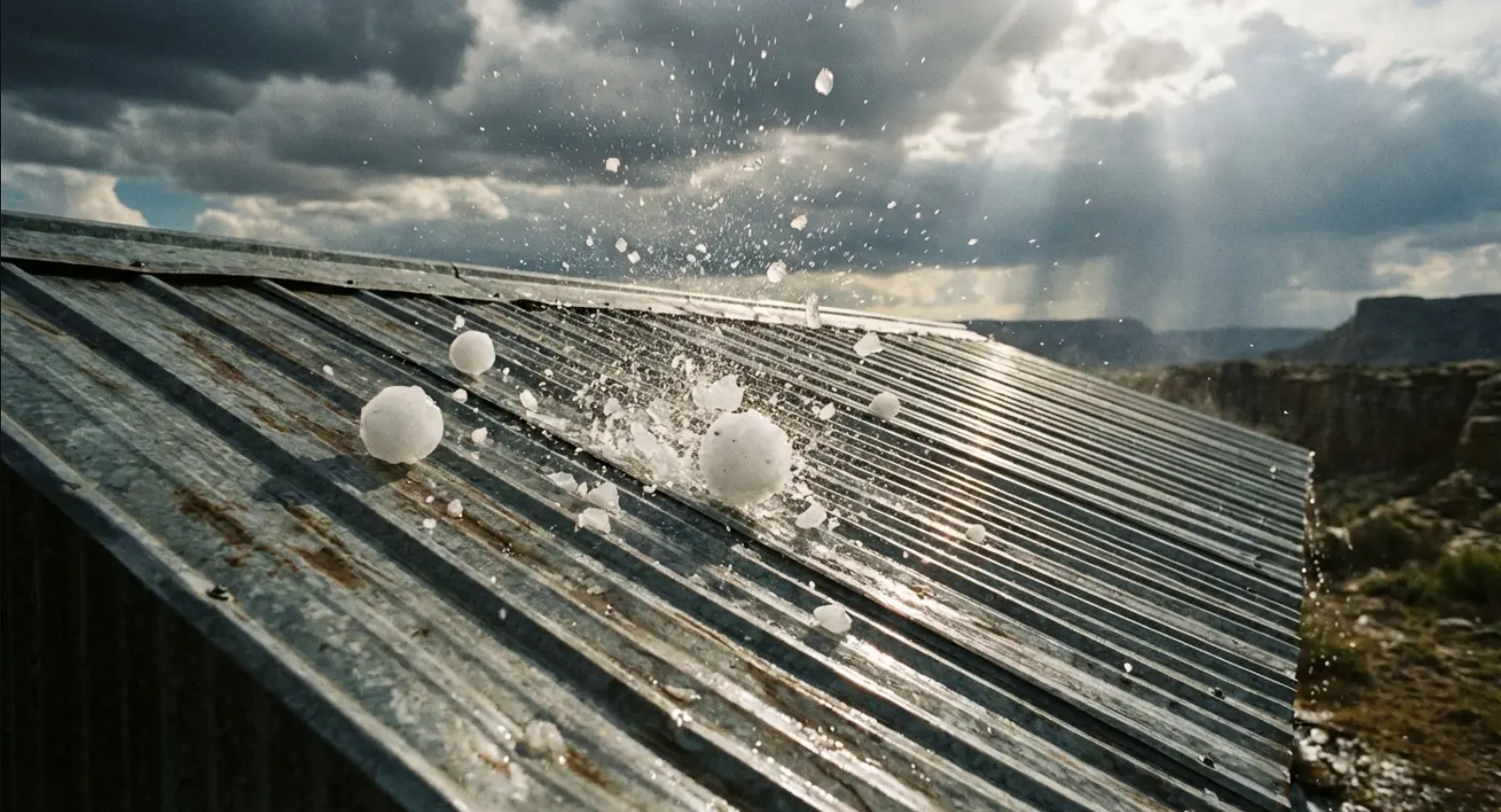
Insurance companies love boring roofs that don't break. Many offer discounts (up to 35%) for metal roofing with "Class 4" impact resistance. Call your agent before you sign the contract to see what qualifies.
Resale Value
Buyers like peace of mind. Data shows you can recoup a huge chunk of the metal roof cost (60-85%) when you sell. "New Metal Roof" looks really good on a listing.
Busting the Big Myths
People worry about noise and lightning. Let's look at the physics so you can decide based on facts, not fear.
Is It Loud?
Barns are loud because you can see the metal from the inside. Your house has plywood decking, insulation, and drywall. Those layers dampen the sound. Rain on a metal roof sounds about the same as rain on asphalt. If you're worried, we can add a synthetic underlayment to mute it even more.
Lightning Strikes
Metal conducts electricity, but it doesn't attract it. Lightning looks for the highest point, usually a tree. If your roof does get hit, metal is actually safer because it disperses the energy safely instead of catching fire like wood or asphalt.
Pre-Installation Must-Haves
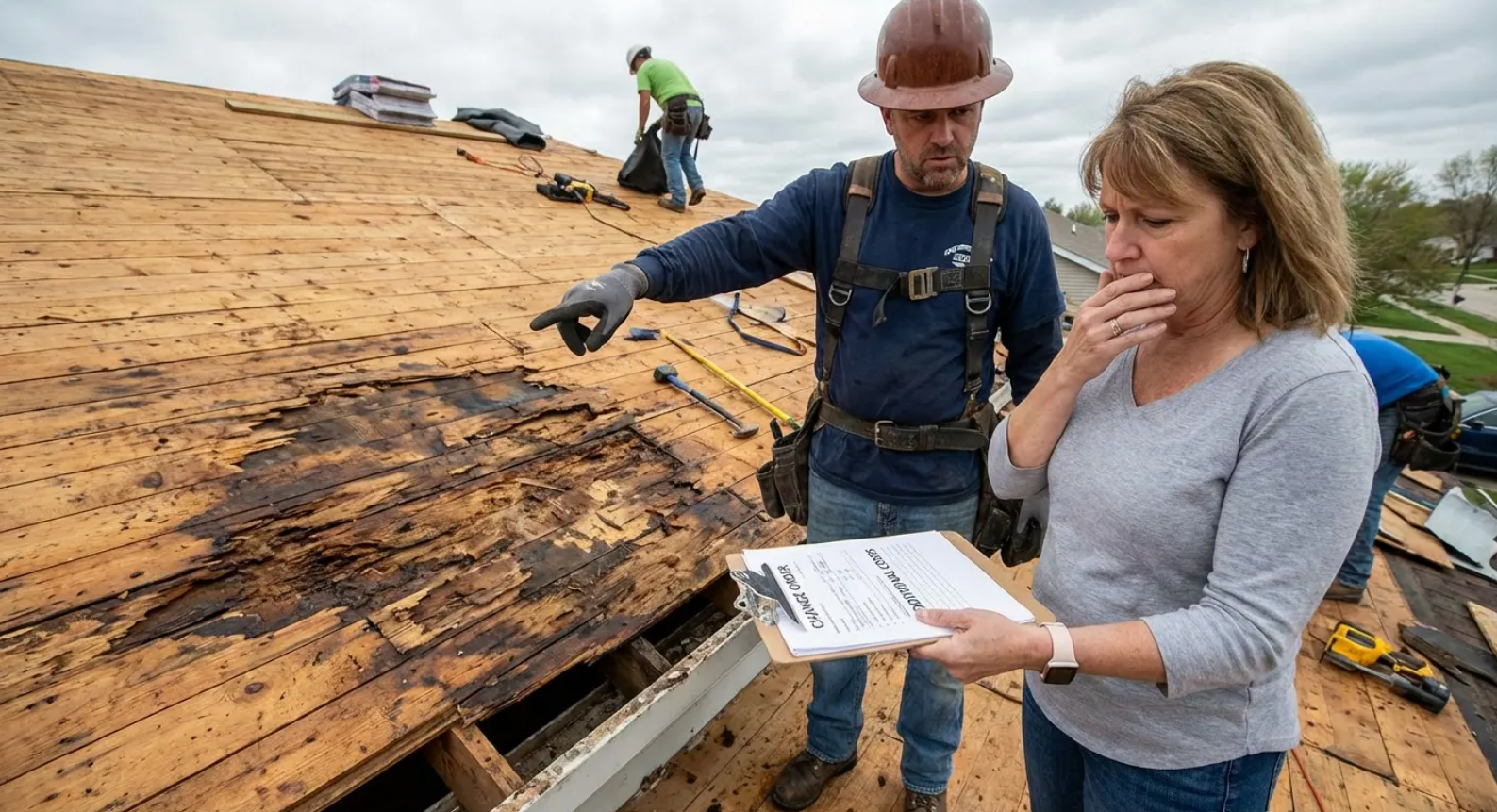
Metal is unforgiving. It can't hide a crooked house. If your roof deck is sagging, the metal will show it. Preparation is everything in a successful metal roofing installation.
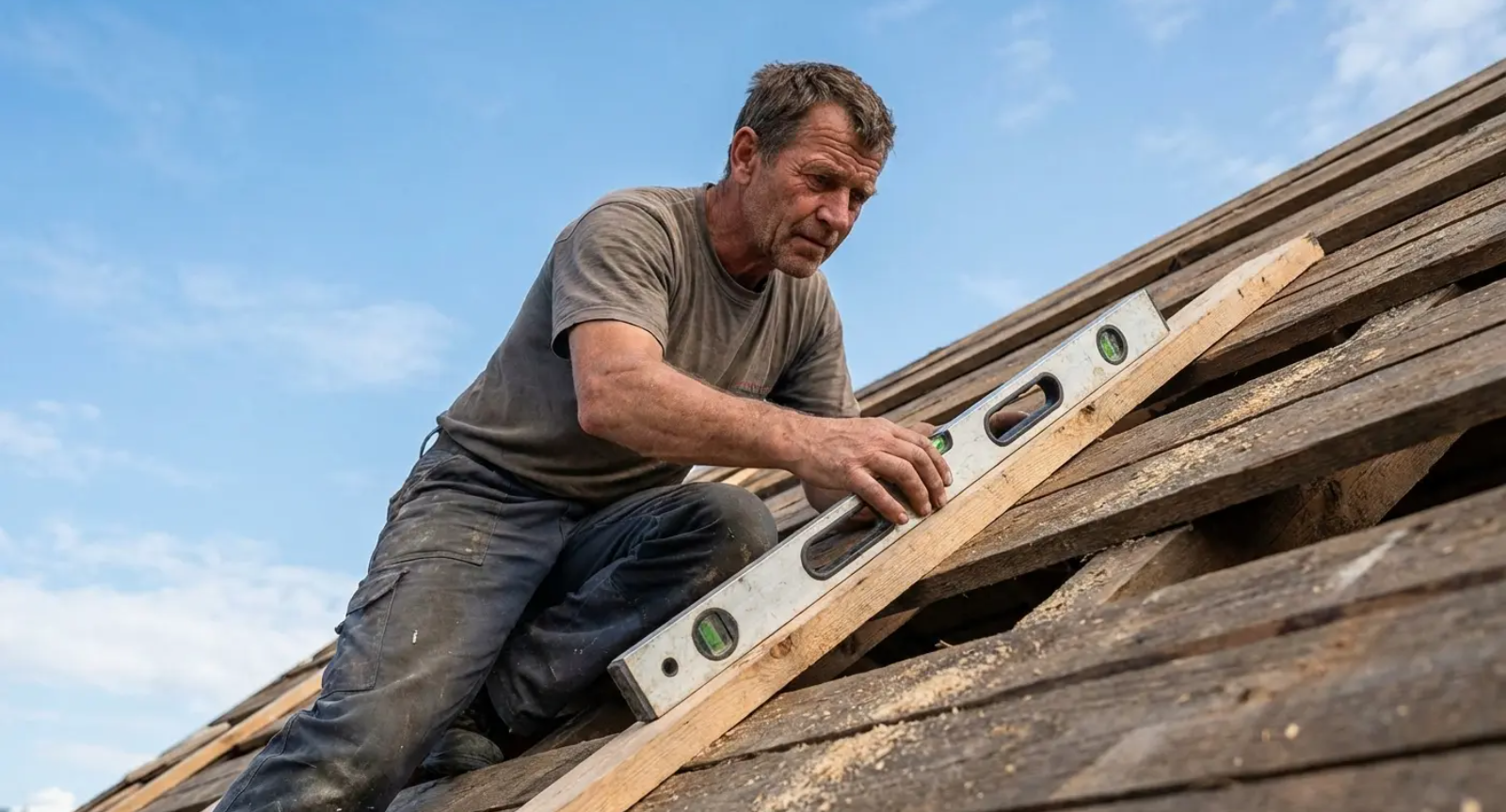
Decking Inspection
Because metal lines are so straight, any dip in the roof deck sticks out like a sore thumb. To prevent future metal roofing problems, we have to replace rotten wood and level things out before a single panel goes down.
Deck Inspection Checklist:
- Check for soft spots or water-damaged plywood.
- Make sure all old nails are flush (no "popped" nails).
- Ensure the structure can hold the fastener load.
- Clear off all the old felt paper and debris.
High-Temp Underlayment
Metal gets hot. You need a "high-temp" synthetic underlayment that can handle the heat. Old-school felt paper will just dry out and crumble under a metal roof.
Ventilation is Non-Negotiable
Metal roofs are watertight, which means they can trap moisture inside your attic if you aren't careful. You need good ridge vents and soffit intakes to keep air moving, otherwise, your roof could rust from the inside out.
Living With (And Under) Metal
So, what is it like to actually own one? Let's talk about the day-to-day logistics, like winter weather and dealing with warranties. For a deeper dive, check out your metal roof maintenance guide. It’s low maintenance, but it’s not zero maintenance.
To Tear Off or Overlay?
Can you just screw the metal right over your old shingles? Technically, yes. But should you? That’s a different question. Overlays save money on demolition, but they come with risks.
Weight Limits
Metal is light (about 1.5 lbs per square foot), so structurally, your house can probably handle it. Most building codes allow for two layers of roofing.
The "Sandpaper" Effect
Here is why we don't love overlays: Shingles act like a heat sink, trapping heat against the metal. Plus, the granules on shingles are rough. As the metal expands and contracts, those granules can rub against the back of the panels like sandpaper. If you do an overlay, use furring strips to create an air gap.
The Risk: You save $3,000 by skipping the tear-off. But 15 years later, the friction from the old shingles wears through the protective coating on the underside of your metal panels. You get rust spots that you can't fix without ripping the whole thing off anyway.
Why We Prefer Tear-Offs
An overlay prevents us from inspecting the wood underneath. We prefer a full tear-off so we know we aren't putting a 50-year roof on a rotten deck.
Accessories and Legal Print
A roof is only as strong as its weakest point. Usually, that’s the pipe boot or the skylight flashing. At the 2026 IRE, experts noted that "creating dependable attachments for rooftop ancillaries, such as snow guards, solar and HVAC systems" is where the real skill comes in.
Managing Snow Slides
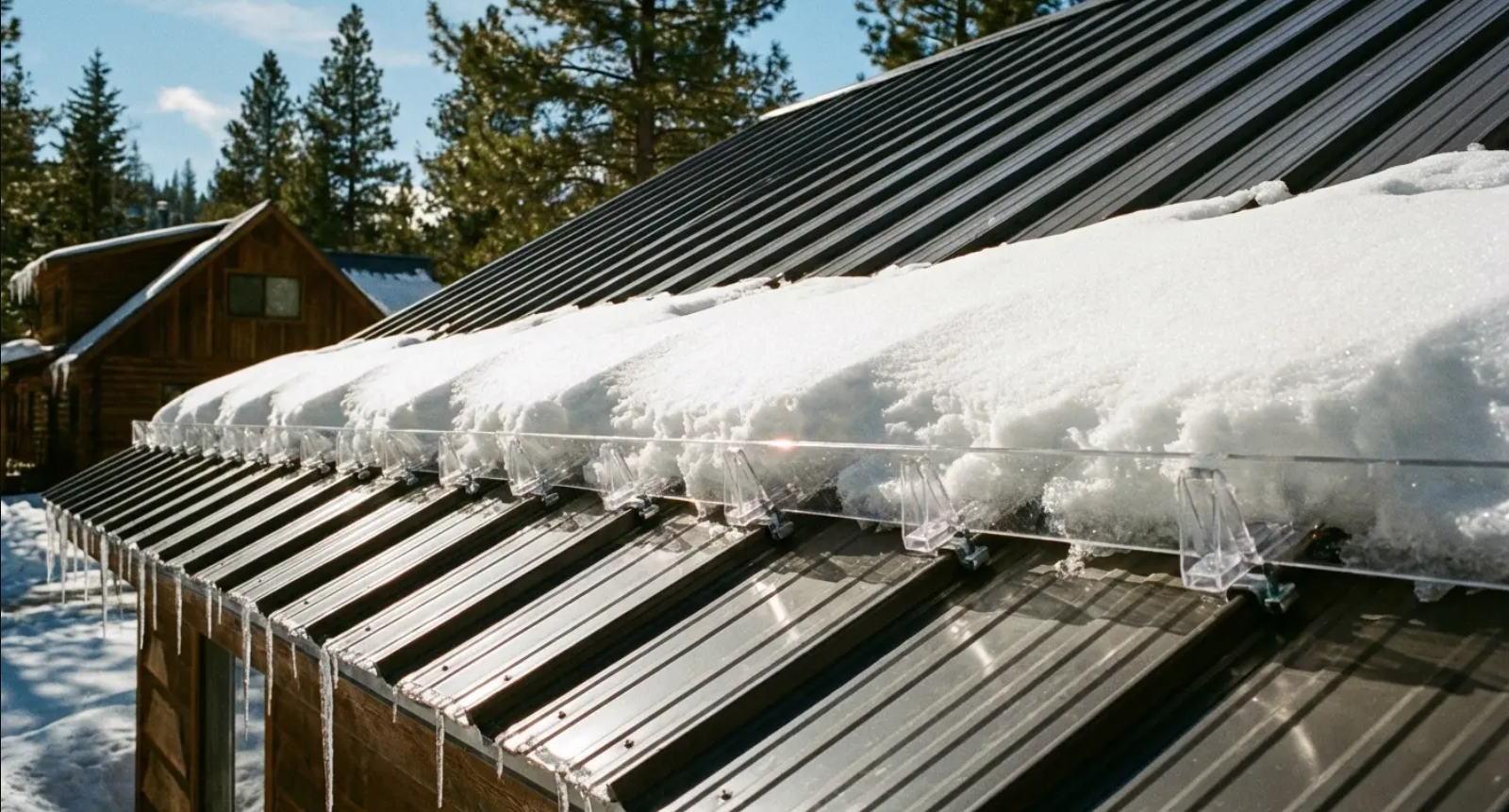
Metal roofs shed snow. Fast. These "roof avalanches" can rip your gutters right off. If you live in a snowy area, you absolutely need snow guards to hold the snow back and let it melt slowly. Read all about snow guards to see why they matter.
The Pipe Boot Weak Link
The rubber boot around your plumbing pipe usually lasts 10-15 years. Your roof lasts 50. See the problem? We recommend high-grade silicone boots or custom metal curbs so you don't have a leak in 2035 caused by a $20 rubber part.
Reading the Warranty
A "40-year warranty" sounds great, but read the fine print. Is it prorated? Does it lose value every year? Does it cover "fade and chalk" or just "film integrity"? And if you are near the coast, check for exclusions.

Aesthetics and The Environment
Metal isn't just about armor; it’s about style. And surprisingly, it’s one of the greenest building materials you can buy.
Customizing the Look
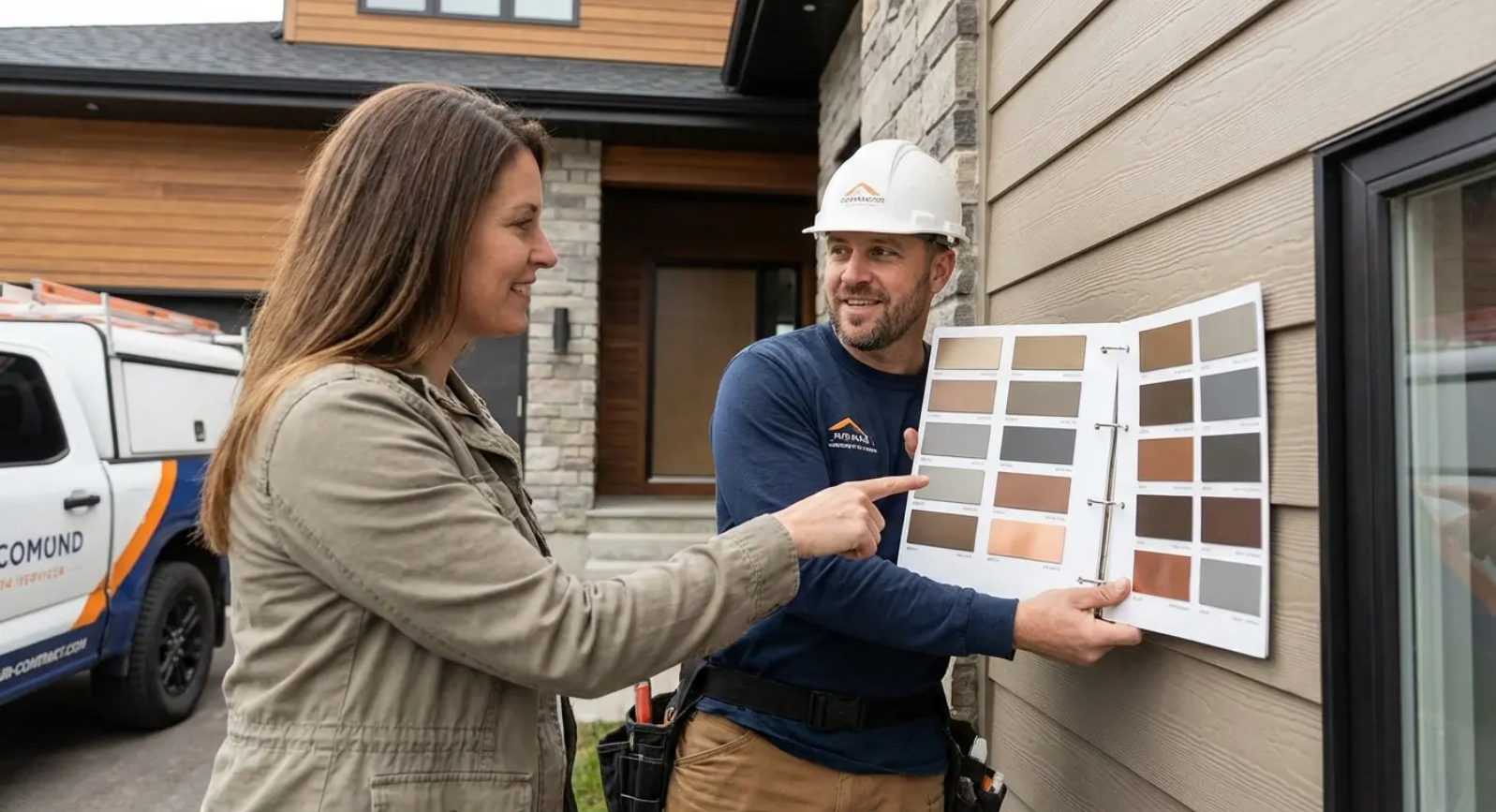
You don't want your house to look like a factory. Choosing the right finish makes all the difference. When selecting metal roofing colors, remember that dark shades absorb UV rays, which stresses the paint.
Matte vs. Gloss
High-gloss looks commercial. Matte finishes look sophisticated and reduce glare. Plus, matte finishes hide those little "oil canning" waves much better.
Color Choice
Lighter colors reflect heat better and stay looking new longer because chalking isn't as visible.
The Green Factor
If sustainability is your thing, metal wins hands down.
Recyclability
Asphalt shingles clog up landfills by the ton. Steel and aluminum are 100% recyclable. In fact, "The MCA website cites that metal roofs are made from 30-60 percent recycled material" right out of the gate.
Solar Ready
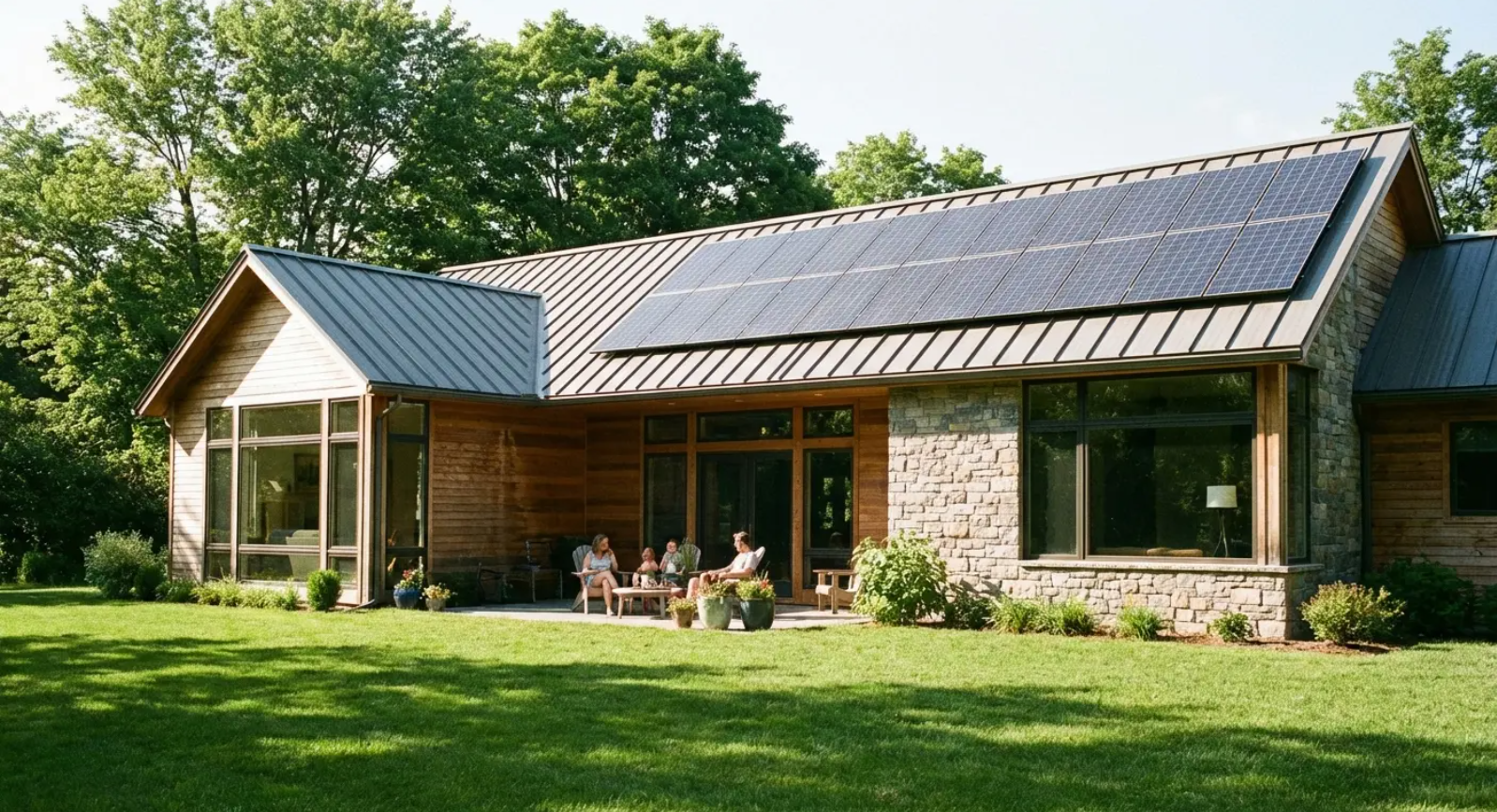
Metal is the perfect platform for solar. We can clamp panels onto the standing seams without drilling a single hole. That means no leaks and no voided warranties.
The Solar Upgrade: Think about this: If you put solar on an asphalt roof that’s 10 years old, you’ll have to pay thousands to remove the solar panels when the roof needs replacing in a few years. With metal, the roof outlasts the solar panels. You put them up, and you don't touch them again.
Buying the Roof
The final hurdle is the contract. Buying a metal roof is different than buying shingles, and lead times can be longer. Reputable metal roofing suppliers usually require a lead time, so plan ahead.
Understanding the Quote
Make sure your quote breaks down the cost of the trim. The metal trim (edges, valleys, ridges) can be 20-30% of the material cost. If a quote looks too cheap, they might be skimping on the trim package. You might be tempted to just type "metal roofing near me" into a search engine and pick the first result, but take your time to vet the company properly.
Quote Checklist:
- Is the metal gauge listed (24ga vs 26ga)?
- Is the paint system specified (Kynar 500 vs SMP)?
- Are snow guards included?
- Does it include disposal of the old roof?
How Joyland Roofing Can Help
Metal roofing is complex. From the metallurgy to the ventilation math, there are a dozen ways to get it wrong if you cut corners. Not all metal roofing contractors are created equal.
At Joyland Roofing, we know that metal is an unforgiving material. That’s why we manage the entire metal roofing installation with precision, obsessing over the "invisible" steps—like deck inspections and underlayment—just as much as the panels you see from the street.
We help you navigate the sticker shock by being transparent about the long-term value. Whether you need aluminum for the coast or steel for the suburbs, we’ll help you figure out exactly what your home needs (and what it doesn't). No upselling features you don't need, just honest advice.
If you are looking for "metal roofing near me" in our service area and are ready to stop worrying about your roof every time it storms, contact us today for a consultation.
Final Thoughts
A metal roof is a system, not just a product. It only works if the materials are good and the installers know what they're doing.
Choosing metal means playing the long game. It means accepting a higher price tag today in exchange for decades of security, lower energy bills, and zero stress. Once it's up there, you can pretty much forget about it—and that’s the best kind of roof to have.
Quick Links